Overview Professional pest control services for bed bugs and rodents
Pest Control in Canada includes more than setting a few traps or spraying a visible insect. Bed bugs and rodents often remain hidden in walls, floors, furniture, and storage areas. A professional service locates the source, chooses a suitable treatment, and determines whether the problem has ended.
Bed bugs can move through luggage, clothing, furniture, and shared buildings. House mice and rats enter through small gaps and may damage insulation, wiring, food packaging, and structural materials. Cockroaches can also carry contamination through kitchens and storage spaces. Early action usually means fewer repairs, fewer treatments, and less disruption.
Why Licensed Pest Control Helps
Professional pest control starts with a pest inspection. A trained specialist searches for live pests, eggs, droppings, entry points, nesting areas, moisture, food sources, and conditions that allow a pest infestation to continue. This work matters because a visible pest may represent only a small part of the problem.
A licensed pest control technician can prepare a treatment plan around the pest, the structure, and the people or animals who use the space. The technician may combine sanitation, physical repairs, traps, heat, steam, and approved products. This approach is called integrated pest management. It aims to control pests while limiting unnecessary pesticide use.
Canadian pesticide regulations set rules for the sale, use, labelling, and handling of pest control products. A professional should explain which product or method is planned, where it will be used, and what precautions apply. Ask for clear pesticide safety information rather than accepting vague promises.
Professional service also creates a record of what was found and what was done. That record helps support a follow-up inspection and can show whether further work is needed. Mosquito Man is one business name consumers may encounter when researching pest control services.
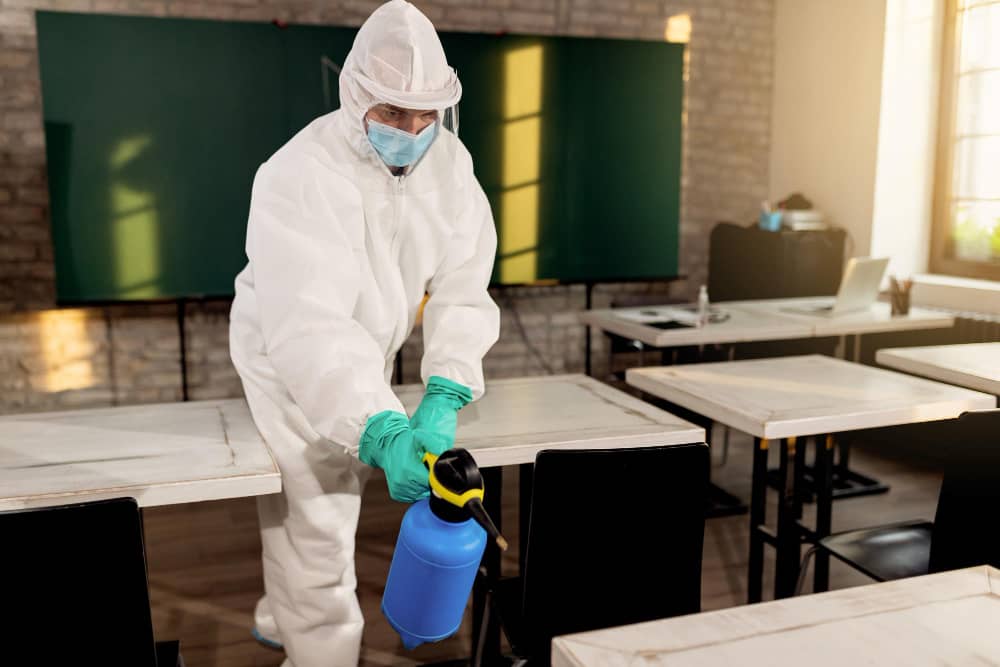
Typical Pest Problems in Canadian Homes
Bed bugs nest in mattress seams, bed frames, upholstered furniture, baseboards, and cracks. They live on blood and can spread before anyone notices an obvious cluster. Bed bug bites may appear as irritated red welts, although some people show no visible response.
House mice can come in through gaps around pipes, doors, vents, and foundations. They often travel along walls and hide behind appliances or inside cupboards. A small opening can give them access to food, warmth, and nesting material.
Rats need larger access points than mice, but they can still enter through damaged vents, broken drains, foundation gaps, or poorly sealed doors. They may chew wiring and pollute stored food. Rat activity calls for prompt action because reproduction and property damage can increase quickly.
Cockroaches favour warm, damp areas with food residue and shelter. They may hide under sinks, behind appliances, inside cabinets, and around plumbing. Cleaning alone may not remove them if eggs and hidden harbourage remain.
Identifying Bed Bugs, Treatment, and Prevention
A bed bug infestation requires more than simply cleaning sheets. Bed bugs can survive in bed frames, sofas, luggage, electrical outlets, and narrow floor gaps. Bed bug eggs are small, pale, and firmly attached to surfaces. They can remain hidden in seams that are easy to miss during a quick inspection.
A professional may recommend heat treatment, chemical treatment, steam treatment, or a mix of methods. The right choice depends on the size of the infestation, the rooms involved, the building layout, and the items that need protection.
Heat treatment raises room or item temperatures to levels that kill bed bugs and eggs when the process is carried out correctly. Chemical treatment places approved products in selected cracks, crevices, and harbourage areas. Steam treatment applies high heat directly to seams, joints, and other locations where insects or eggs may be hiding.
A mattress encasement can seal any remaining bugs inside the mattress and make future inspections simpler. It does not replace professional treatment because bed bugs may also be hiding in the box spring, frame, walls, and nearby furniture.

Signs of a Bed Bug Infestation
Look closely at mattress seams, box springs, bed frames, headboards, and upholstered furniture. Common clues include:
- Blood spots on sheets or pillowcases after a bug is crushed during sleep.
- Fecal stains that look like small dark marks on fabric, wood, or mattress seams.
- Bed bug bites, often found on exposed skin, although bites alone cannot confirm an infestation.
- Shed skins near hiding places as nymphs grow.
- Live insects, pale eggs, or tiny eggshells in cracks and folds.
Do not move infested furniture into another room. That action can spread bed bugs. Place washable items in sealed bags, avoid picking up discarded furniture, and arrange a professional pest inspection if you find several signs at once.
Professional Bed Bug Treatment Options
A chemical treatment may target cracks, crevices, bed frames, baseboards, and other harbourage areas. The technician may also recommend laundering, vacuuming, bagging belongings, and reducing clutter before application. Product choice and placement should follow the label and applicable pesticide regulations.
Steam application can be useful for mattress seams, upholstered furniture, and tight spaces. The technician proceeds at a measured pace so heat reaches the area where bed bugs and eggs may be hiding. Steam may be one step in a larger treatment rather than serve as the only step.
Heat treatment can treat rooms or selected items without leaving a chemical residue on treated surfaces. Preparation plays a key role. Items must be arranged so heated air reaches likely hiding areas, and heat-sensitive belongings may need removal.
A post-treatment inspection checks for live insects, new signs, and missed harbourage. Some infestations need more than one visit. Do not assume that the absence of bites proves the problem has ended. Follow the technician’s preparation and monitoring instructions between visits.
Rodent Control: Removing Mice and Rats Without Risk
A rodent infestation calls for two linked actions: removal and prevention. Mouse traps can reduce active rodents, but traps alone will not solve an open gap, accessible food, or a hidden nest. Rodent exclusion blocks the routes that allow mice and rats to enter.
A technician may place traps in protected locations along travel paths. The position matters because rodents often move beside walls and objects rather than across open floors. Bait and trap selection should take into account children, pets, and the risk of accidental contact.
Sanitation strengthens control. Store food in rigid sealed containers, clean spills quickly, remove waste regularly, and reduce access to pet food. These steps do not replace structural repairs, but they make the property less attractive to rodents.
How to Spot Rodent Activity
Rodent signs often appear before you see a mouse or rat. Check behind appliances, inside cabinets, near stored goods, around utility openings, and along basement or garage walls. Watch for:
- Pellets near food, nesting areas, or travel routes.
- Bite marks on packaging, wood, insulation, plastic, or wiring.
- Scratching sounds in ceilings, walls, or under floors, especially after dark.
- Nesting debris made from paper, fabric, insulation, or other shredded items.
- Dark grease marks along frequently used paths.
- Strange odours or damaged food containers.
Do not sweep or vacuum droppings immediately. Follow public health guidance for safe cleaning, which may include wetting the material with disinfectant, wearing gloves, and avoiding actions that send contaminated dust into the air.
Professional Rodent Removal and Exclusion
The service usually begins by finding entry points. These may occur around pipes, utility lines, vents, foundations, roof edges, doors, and damaged screens. A professional may install door sweeps, repair gaps, fit mesh over suitable openings, and recommend other building repairs.
Humane capture aims at capturing rodents while reducing unneeded harm and reducing hazards for people and pets. The technician should describe trap locations, inspection timing, and what happens if activity continues.
Rodent-proofing may include filling cracks, strengthening vulnerable materials, repairing ventilation covers, and correcting drainage or moisture problems. Exclusion is most effective when repairs suit the size and behaviour of the pest. A gap that blocks mice may not block rats.
The Way the Pest Control Process Takes Place
To begin, the technician completes a property inspection. You may be asked how long signs have been present, which areas showed signs, whether items have moved between rooms, and whether anyone in the home has health or allergy concerns. Accurate details help identify likely areas.
After that, the technician explains the treatment plan. It should identify the pest, areas for treatment, preparation steps, expected timing, and any limits on room use. For bed bugs, preparation may include bagging clothing and keeping floors clear. For rodents, it may involve removing food and allowing access to edges of walls, cupboards, and storage areas.
While work is underway, a focused treatment places products or treatments where the pest shelters or passes. The technician may also set up traps, apply steam, use heat, or recommend repairs. A targeted method is different from treating all surfaces without locating the cause.
Once treatment ends, ongoing checks helps assess the outcome. This may involve scheduled visits, traps, interceptors, visual checks, or instructions for reporting new signs. Keep notes about sightings and avoid moving traps or treated areas without asking the service provider.
Are Pest Control Treatments Safe for Pets and Families?
Treatment safety is affected by the product, dose, placement, ventilation, and preparation. Request the provider for the product name, registration details where applicable, areas treated, and steps required before and after service.
Read and follow the written return instructions. They may tell you when adults, children, and pets can return, whether windows should remain open, and whether treated surfaces must stay untouched. Keep pets or children away from a treatment area before the stated time has passed.
Remove or cover food, dishes, toys, pet bowls, bedding, and personal items as directed. Fish tanks, birds, reptiles, and other sensitive animals may need special precautions. Tell the technician about pregnancy, asthma, allergies, and other health concerns before treatment.
For rodents, safety also includes trap placement and cleanup. Find out how to handle a dead rodent, contaminated material, or a trap that has been triggered. Avoid handling unknown products or move professional equipment without instructions.
Pest Control Costs in Canada
The total price depends on the pest, property size, number of rooms, access, infestation severity, treatment method, and number of visits. A small, contained issue may require fewer services than a bed bug infestation spread across several bedrooms or a rodent problem involving hard-to-reach wall spaces.
An assessment fee may be charged outside the treatment cost. Ask whether the inspection is included if you authorize the work. A clear quote should explain preparation, labour, products, repairs, follow-up visits, taxes, and possible extra charges.
The service price can rise when technicians need to treat several rooms, move or protect belongings, return for monitoring, or combine heat, steam, chemical treatment, and exclusion work. Ask what the quoted service does and does not include.
A service warranty may cover a return visit during a stated period if activity continues. Read the conditions. Some warranties require preparation, monitoring, and prompt reporting. Others exclude new introductions, untreated rooms, or structural issues that remain open.
Selecting a Professional Pest Control Company
Look for certified applicator or licensed pest control technician who can describe the treatment in simple language. Ask which methods fit your pest problem and why. A responsible provider should not urge you into a product without an inspection or explanation.
Confirm that the company carries appropriate liability insurance. Request a detailed estimate that lists the pest, service areas, preparation duties, treatment steps, follow-up terms, and warranty conditions.
Customer reviews can highlight patterns in communication, punctuality, preparation guidance, and follow-through. Read them as one source of information, not as proof that a treatment will suit every property. Ask for references or documentation when the job is large or involves repeated visits.
Be cautious of anyone who promises instant results, refuses to identify products, recommends unsafe off-label use, or claims that one treatment solves every infestation. Good service includes clear expectations and a plan for checking results.
Preventing Bed Bugs and Rodents at Home
Prevention combines routine observation with practical home maintenance. Inspect second-hand furniture before bringing it indoors. Keep luggage off beds during travel and examine seams after returning. Wash and dry clothing according to care instructions if you suspect exposure.
For rodents, focus on clutter reduction in storage areas, garages, basements, and utility spaces. Less clutter gives pests fewer hiding places and makes signs easier to spot. Keep food storage areas clean and place grains, pet food, and snacks in sealed containers.
Inspect doors, vents, foundation walls, pipe openings, and window frames. Sealing cracks with a suitable material can block routes used by mice and insects. Replace damaged door sweeps and repair torn screens.
Keep vegetation, waste, and stored materials from touching exterior walls where possible. Fix leaks and address moisture because damp conditions can support cockroaches and other pests. These preventive measures reduce risk, but they cannot replace professional treatment after an established infestation.
Common Questions
What pests are common in Canada?
Typical household pests include bedbugs, house mice, rats, cockroaches, ants, wasps, and occasional wildlife. Bed bugs and rodents deserve prompt attention because they can stay hidden, spread through a property, damage materials, and continue moving after a casual cleaning.
How can I prevent pests at home?
Use sealed food storage, routine cleaning, clutter reduction, quick waste removal, and routine checks for moisture and damage. Check used furniture and luggage. Repair door gaps, install suitable door sweeps, and seal cracks and other entry points.
When do I need a pest control professional?
Call when you find repeated signs, see live bed bugs or rodents, hear activity in walls, find a nest, or visit this site notice damage to wiring or stored food. Professional treatment is also sensible when DIY traps and cleaning have not stopped the problem or when the pest may have spread to multiple rooms.
Will pest control treatments harm pets?
They can be used safely when the product label, application directions, and re-entry instructions are followed. Tell the technician about every pet, including fish, birds, and reptiles. Remove animals from treatment areas and return them only when the provider confirms that it is safe.
How much does pest control cost in Canada?
Prices vary according to property size, pest type, infestation severity, treatment method, access, and the number of visits. Request a written estimate that separates the inspection fee, treatment cost, follow-up work, repairs, and any service warranty conditions.
What is the most effective way to get rid of mice?
The most reliable approach combines correctly placed mouse traps with rodent exclusion, sanitation, and repairs. A professional should find entry points, assess nesting areas, remove or monitor activity, and recommend rodent-proofing so new mice cannot enter.
How do I eliminate bed bugs?
Start with a professional pest inspection and avoid moving furniture between rooms. Treatment may include heat treatment, chemical treatment, steam treatment, laundering, vacuuming, mattress encasement, and a follow-up inspection. Follow preparation and monitoring instructions closely.
Are pesticides controlled in Canada?
Yes. Canadian pesticide regulations control product registration, labelling, sale, and use. Use only products according to their labels and speak with a certified applicator or licensed pest control technician to explain pesticide safety, application areas, and re-entry requirements.